
What Is BSR Testing in Automotive Development and Why Does It Matter?
09 Apr 2026
Distracting Noises Can Impact Perceived Quality, Durability, and Brand Reputation
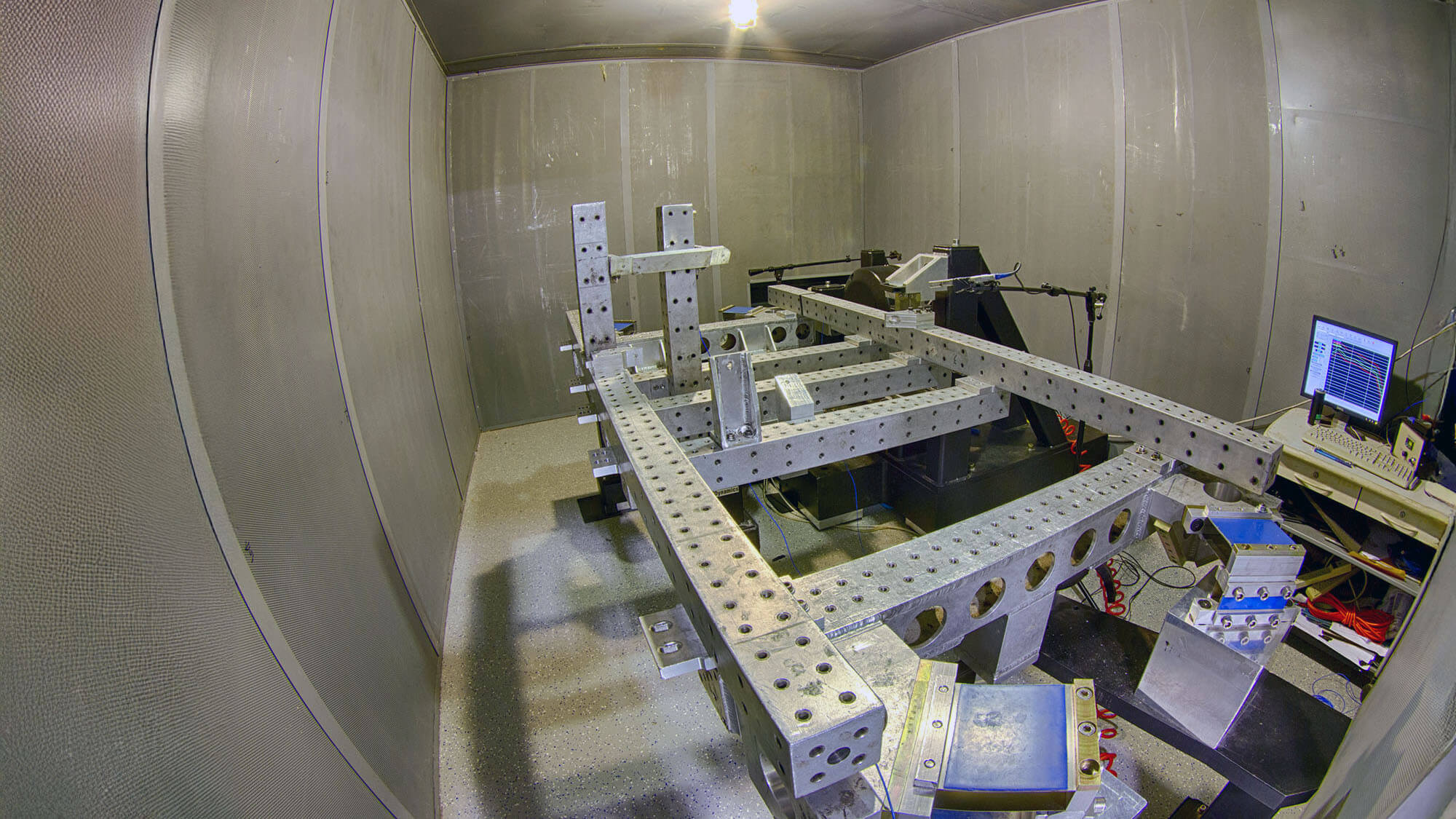
In automotive engineering, BSR testing refers to Buzz, Squeak, and Rattle evaluation. It is a specialized test process used to identify, isolate, and reduce unwanted noises generated by components and subsystems under vibration and real-world operating conditions. BSR testing can use real-world data to recreate road profiles and uncover unwanted sounds in automotive components.
For automakers, BSR is not just a driver and passenger comfort issue, although comfort is certainly part of the equation. It also directly affects perceived quality, durability, and brand reputation.
A vehicle can meet performance targets and still be judged poorly if the cabin produces distracting noises. This is especially true in modern vehicles with improved cabin insulation and electrified powertrains, where sounds that were once masked can now be more noticeable to occupants, including HVAC system noise and interior interface noise.
Why Is Buzz, Squeak, and Rattle Testing Important?
BSR testing is a critical part of vehicle development for several reasons:
- It protects perceived vehicle quality – Customers often interpret intermittent interior noise as poor fit, weak design, or low durability, even when the root cause is a minor interface condition. BSR testing helps engineering teams identify and address these issues before launch.
- It reduces late-stage redesign risk – Unwanted noise discovered after tooling release or production ramp can trigger expensive rework, delays, and cross functional troubleshooting. Early BSR screening supports faster root cause identification and more controlled corrective actions.
- It supports EV and premium cabin expectations – As powertrain and road noise are reduced, smaller interior noises become more noticeable. This makes BSR performance a larger contributor to customer satisfaction and warranty prevention, particularly in EV and hybrid programs.
How Does Automotive BSR Testing Work?
BSR testing is typically performed by subjecting a component, subsystem, or assembly to controlled vibration inputs while monitoring for noise events. The goal is to reproduce field relevant excitations in a low noise environment so engineers can detect and diagnose acoustic issues with confidence.
A typical BSR test workflow includes:
- Defining the test objective – Engineers identify the component under evaluation and the target conditions. Common examples include instrument panels, center consoles, seats, HVAC assemblies, steering column assemblies, and interior trim interfaces.
- Applying vibration profiles – The test system runs sine or random vibration profiles and may also use custom profiles based on actual road load data. This helps replicate the frequency content and severity seen in service.
- Capturing and evaluating noise – Engineers use microphones and acoustic analysis tools to capture sound pressure levels, spectrum data, loudness metrics, and level versus time behavior. BSR testing is typically performed in a low noise acoustic test environment, often a semi anechoic chamber or enclosure, to minimize background noise and prevent external sounds from masking low level buzz, squeak, or rattle events during vibration excitation.
- Isolating the root cause – Once a buzz, squeak, or rattle event is detected, teams evaluate contact interfaces, clearances, fasteners, material pairings, harness routing, and mounting conditions. The objective is repeatable trigger identification and a practical design or process fix.
What Should Automotive Engineers Look for in a BSR Test Partner?
Not all vibration testing environments are suitable for BSR work. Since the signal of interest is often a low-level noise event, the test system and test environment must be quiet enough to avoid masking the defect.
Key considerations include:
- Low background acoustic noise
- Low noise vibration system performance
- Repeatable fixturing and multi axis test setup flexibility
- Objective acoustic measurement capability
- Experience with OEM and customer specifications
- Ability to support troubleshooting and validation retest cycles
For example, Intertek’s BSR testing solutions are built around a low noise vibration system and published capabilities that include low background sound levels, flexible fixturing, and support for common OEM specifications such as GM and Ford requirements.
Is BSR Testing Only for Late-Stage Validation?
No. While BSR testing is essential for validation and launch readiness, it delivers the most value when integrated earlier in development. Early BSR assessment helps identify noise risks before they become packaging, tooling, or assembly process constraints. For engineering teams, this improves design robustness and reduces the cost of change.
How Intertek Supports Automotive BSR Testing Programs
Intertek offers dedicated BSR Testing Solutions (Buzz, Squeak and Rattle) for automotive components and subsystems, with capabilities designed to help engineering teams evaluate and improve BSR performance during development and validation. Services include low noise vibration testing, acoustic measurement and analysis, and support for component types commonly used in vehicle interiors and cockpit systems.

You may be interested in...
BSR Testing Solutions (Buzz, Squeak and Rattle)
Our Buzz, Squeak and Rattle (BSR) Testing Services help you gain the competitive edge you need to succeed in the market.